Showing posts with label indian salwar kameez. Show all posts

Wednesday, March 10, 2010

The comfort factor of Indian Salwar Kameez


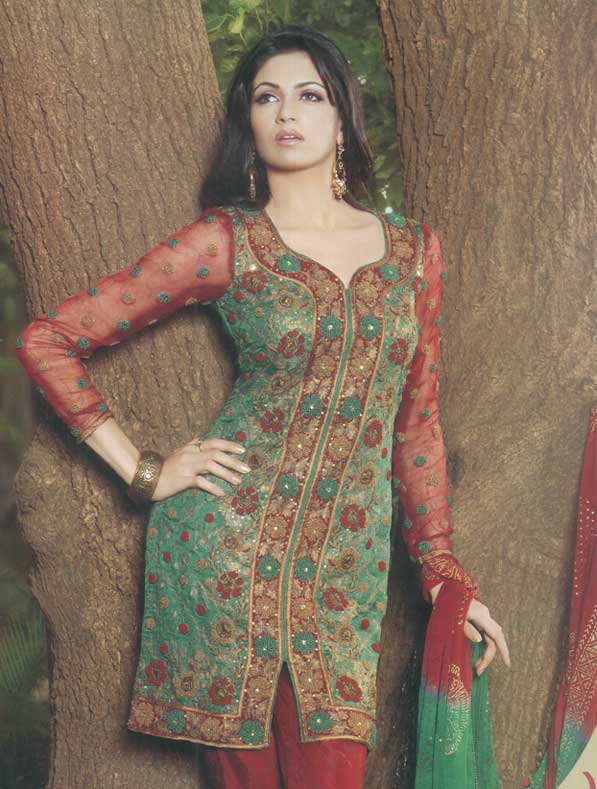
The salwar kameez is widely regarded as the most comfortable of all Indian garments. The variation in styles allows easy movement as well as versatility. Once the proper fabric for the suit is chosen, it is time for the artisan to display his handiwork. Hand worked fabrics are those which are embroidered or embellished using manual skills. Flawless hand embroidery requires a lot of dexterity and patience. India is famous for it’s regional styles of needlework and has numerous artisans all over the country who are experts in provincial embroidery work.

The most widely preferred of all Indian needlecraft is the renowned Lucknowi chikankari. Chikankari salwar kurtas are very popular because of their elegant style as well as the comfort factor. Chikankari is also practiced in Rampur and Agra, both of which are well known too. Chikankari work consists of delicate floral designs stitched onto fine cotton or muslin cloth. Other than chikankari, the hand painted designs and Jamdani weave of Faizabad is also quite admired.

salwar kameez
Among the prominent embroidery styles of northern india, the Punjabi ‘phulkari’ is widely practiced. ‘Phulkari’ which means growing flowers, is practiced by Punjabi women and can trace its origins as far back as the Vedic ages. ‘Phulkari’ work is done using silk floss on ‘khadi’. The stitching is complicated as a single thread is used at a time and worked in various directions to achieve the light and shadow effect. Chope, ghunghat bagh, suber, darshan-dwaar and chamba are some of the common ‘phulkari’ styles.

Eastern India is famed for its Bengali ‘kantha’ stitch, especially on wedding sarees. The various styles of ‘kantha’ stitching include sujni kantha, archilata kantha, durjani kantha and rumal kantha. ‘Kantha’ stitch is basically running stitch cleverly sewn to resemble various motifs. The style of stitching varies from the simple style to the mat style, maze style and tessellation style. Neighbor Sikkim on the other hand is recognized for its leather appliqués.

Western India has its mirror work over colorful thread embroidery which is a specialty of the Rajasthani gypsies. Rajasthan is also famous for block printing, bandhini (tie and dye) and of course the intricate Jodhpuri jaali work. Coming to central India, the zari work of Indore and Bhopal are much appreciated.

Another kind of legendary Indian embroidery is the Aari or Zardosi embroidery. This variety of embroidery was introduced by the Mughals. ‘Aar’ which means needle is done on a wooden frame which keeps the cloth fixed and stretched out. The designs are copied onto the fabric and then thread is traced over the outline. This method is borrowed from the technique of cot making. It enables artisans the freedom to use both hands thus increasing speed and expertise. Once the designs are overlaid with thread, beads, sequins and gold or silver wires are used for further embellishment giving the finished product a rich look.

Indian needlework has always attracted connoisseurs from around the world with its distinctive style and the level of skill shown by artisans. The art of this embroidery are passed on from one generation to another and always leaves people awestruck at the beautiful designs.

The comfort factor of Indian Salwar Kameez


The salwar kameez is widely regarded as the most comfortable of all Indian garments. The variation in styles allows easy movement as well as versatility. Once the proper fabric for the suit is chosen, it is time for the artisan to display his handiwork. Hand worked fabrics are those which are embroidered or embellished using manual skills. Flawless hand embroidery requires a lot of dexterity and patience. India is famous for it’s regional styles of needlework and has numerous artisans all over the country who are experts in provincial embroidery work.

The most widely preferred of all Indian needlecraft is the renowned Lucknowi chikankari. Chikankari salwar kurtas are very popular because of their elegant style as well as the comfort factor. Chikankari is also practiced in Rampur and Agra, both of which are well known too. Chikankari work consists of delicate floral designs stitched onto fine cotton or muslin cloth. Other than chikankari, the hand painted designs and Jamdani weave of Faizabad is also quite admired.

salwar kameez
Among the prominent embroidery styles of northern india, the Punjabi ‘phulkari’ is widely practiced. ‘Phulkari’ which means growing flowers, is practiced by Punjabi women and can trace its origins as far back as the Vedic ages. ‘Phulkari’ work is done using silk floss on ‘khadi’. The stitching is complicated as a single thread is used at a time and worked in various directions to achieve the light and shadow effect. Chope, ghunghat bagh, suber, darshan-dwaar and chamba are some of the common ‘phulkari’ styles.

Eastern India is famed for its Bengali ‘kantha’ stitch, especially on wedding sarees. The various styles of ‘kantha’ stitching include sujni kantha, archilata kantha, durjani kantha and rumal kantha. ‘Kantha’ stitch is basically running stitch cleverly sewn to resemble various motifs. The style of stitching varies from the simple style to the mat style, maze style and tessellation style. Neighbor Sikkim on the other hand is recognized for its leather appliqués.

Western India has its mirror work over colorful thread embroidery which is a specialty of the Rajasthani gypsies. Rajasthan is also famous for block printing, bandhini (tie and dye) and of course the intricate Jodhpuri jaali work. Coming to central India, the zari work of Indore and Bhopal are much appreciated.

Another kind of legendary Indian embroidery is the Aari or Zardosi embroidery. This variety of embroidery was introduced by the Mughals. ‘Aar’ which means needle is done on a wooden frame which keeps the cloth fixed and stretched out. The designs are copied onto the fabric and then thread is traced over the outline. This method is borrowed from the technique of cot making. It enables artisans the freedom to use both hands thus increasing speed and expertise. Once the designs are overlaid with thread, beads, sequins and gold or silver wires are used for further embellishment giving the finished product a rich look.

Indian needlework has always attracted connoisseurs from around the world with its distinctive style and the level of skill shown by artisans. The art of this embroidery are passed on from one generation to another and always leaves people awestruck at the beautiful designs.

The comfort factor of Indian Salwar Kameez


The salwar kameez is widely regarded as the most comfortable of all Indian garments. The variation in styles allows easy movement as well as versatility. Once the proper fabric for the suit is chosen, it is time for the artisan to display his handiwork. Hand worked fabrics are those which are embroidered or embellished using manual skills. Flawless hand embroidery requires a lot of dexterity and patience. India is famous for it’s regional styles of needlework and has numerous artisans all over the country who are experts in provincial embroidery work.

The most widely preferred of all Indian needlecraft is the renowned Lucknowi chikankari. Chikankari salwar kurtas are very popular because of their elegant style as well as the comfort factor. Chikankari is also practiced in Rampur and Agra, both of which are well known too. Chikankari work consists of delicate floral designs stitched onto fine cotton or muslin cloth. Other than chikankari, the hand painted designs and Jamdani weave of Faizabad is also quite admired.

salwar kameez
Among the prominent embroidery styles of northern india, the Punjabi ‘phulkari’ is widely practiced. ‘Phulkari’ which means growing flowers, is practiced by Punjabi women and can trace its origins as far back as the Vedic ages. ‘Phulkari’ work is done using silk floss on ‘khadi’. The stitching is complicated as a single thread is used at a time and worked in various directions to achieve the light and shadow effect. Chope, ghunghat bagh, suber, darshan-dwaar and chamba are some of the common ‘phulkari’ styles.

Eastern India is famed for its Bengali ‘kantha’ stitch, especially on wedding sarees. The various styles of ‘kantha’ stitching include sujni kantha, archilata kantha, durjani kantha and rumal kantha. ‘Kantha’ stitch is basically running stitch cleverly sewn to resemble various motifs. The style of stitching varies from the simple style to the mat style, maze style and tessellation style. Neighbor Sikkim on the other hand is recognized for its leather appliqués.

Western India has its mirror work over colorful thread embroidery which is a specialty of the Rajasthani gypsies. Rajasthan is also famous for block printing, bandhini (tie and dye) and of course the intricate Jodhpuri jaali work. Coming to central India, the zari work of Indore and Bhopal are much appreciated.

Another kind of legendary Indian embroidery is the Aari or Zardosi embroidery. This variety of embroidery was introduced by the Mughals. ‘Aar’ which means needle is done on a wooden frame which keeps the cloth fixed and stretched out. The designs are copied onto the fabric and then thread is traced over the outline. This method is borrowed from the technique of cot making. It enables artisans the freedom to use both hands thus increasing speed and expertise. Once the designs are overlaid with thread, beads, sequins and gold or silver wires are used for further embellishment giving the finished product a rich look.

Indian needlework has always attracted connoisseurs from around the world with its distinctive style and the level of skill shown by artisans. The art of this embroidery are passed on from one generation to another and always leaves people awestruck at the beautiful designs.

The comfort factor of Indian Salwar Kameez


The salwar kameez is widely regarded as the most comfortable of all Indian garments. The variation in styles allows easy movement as well as versatility. Once the proper fabric for the suit is chosen, it is time for the artisan to display his handiwork. Hand worked fabrics are those which are embroidered or embellished using manual skills. Flawless hand embroidery requires a lot of dexterity and patience. India is famous for it’s regional styles of needlework and has numerous artisans all over the country who are experts in provincial embroidery work.

The most widely preferred of all Indian needlecraft is the renowned Lucknowi chikankari. Chikankari salwar kurtas are very popular because of their elegant style as well as the comfort factor. Chikankari is also practiced in Rampur and Agra, both of which are well known too. Chikankari work consists of delicate floral designs stitched onto fine cotton or muslin cloth. Other than chikankari, the hand painted designs and Jamdani weave of Faizabad is also quite admired.

salwar kameez
Among the prominent embroidery styles of northern india, the Punjabi ‘phulkari’ is widely practiced. ‘Phulkari’ which means growing flowers, is practiced by Punjabi women and can trace its origins as far back as the Vedic ages. ‘Phulkari’ work is done using silk floss on ‘khadi’. The stitching is complicated as a single thread is used at a time and worked in various directions to achieve the light and shadow effect. Chope, ghunghat bagh, suber, darshan-dwaar and chamba are some of the common ‘phulkari’ styles.

Eastern India is famed for its Bengali ‘kantha’ stitch, especially on wedding sarees. The various styles of ‘kantha’ stitching include sujni kantha, archilata kantha, durjani kantha and rumal kantha. ‘Kantha’ stitch is basically running stitch cleverly sewn to resemble various motifs. The style of stitching varies from the simple style to the mat style, maze style and tessellation style. Neighbor Sikkim on the other hand is recognized for its leather appliqués.

Western India has its mirror work over colorful thread embroidery which is a specialty of the Rajasthani gypsies. Rajasthan is also famous for block printing, bandhini (tie and dye) and of course the intricate Jodhpuri jaali work. Coming to central India, the zari work of Indore and Bhopal are much appreciated.

Another kind of legendary Indian embroidery is the Aari or Zardosi embroidery. This variety of embroidery was introduced by the Mughals. ‘Aar’ which means needle is done on a wooden frame which keeps the cloth fixed and stretched out. The designs are copied onto the fabric and then thread is traced over the outline. This method is borrowed from the technique of cot making. It enables artisans the freedom to use both hands thus increasing speed and expertise. Once the designs are overlaid with thread, beads, sequins and gold or silver wires are used for further embellishment giving the finished product a rich look.

Indian needlework has always attracted connoisseurs from around the world with its distinctive style and the level of skill shown by artisans. The art of this embroidery are passed on from one generation to another and always leaves people awestruck at the beautiful designs.

The comfort factor of Indian Salwar Kameez


The salwar kameez is widely regarded as the most comfortable of all Indian garments. The variation in styles allows easy movement as well as versatility. Once the proper fabric for the suit is chosen, it is time for the artisan to display his handiwork. Hand worked fabrics are those which are embroidered or embellished using manual skills. Flawless hand embroidery requires a lot of dexterity and patience. India is famous for it’s regional styles of needlework and has numerous artisans all over the country who are experts in provincial embroidery work.

The most widely preferred of all Indian needlecraft is the renowned Lucknowi chikankari. Chikankari salwar kurtas are very popular because of their elegant style as well as the comfort factor. Chikankari is also practiced in Rampur and Agra, both of which are well known too. Chikankari work consists of delicate floral designs stitched onto fine cotton or muslin cloth. Other than chikankari, the hand painted designs and Jamdani weave of Faizabad is also quite admired.

salwar kameez
Among the prominent embroidery styles of northern india, the Punjabi ‘phulkari’ is widely practiced. ‘Phulkari’ which means growing flowers, is practiced by Punjabi women and can trace its origins as far back as the Vedic ages. ‘Phulkari’ work is done using silk floss on ‘khadi’. The stitching is complicated as a single thread is used at a time and worked in various directions to achieve the light and shadow effect. Chope, ghunghat bagh, suber, darshan-dwaar and chamba are some of the common ‘phulkari’ styles.

Eastern India is famed for its Bengali ‘kantha’ stitch, especially on wedding sarees. The various styles of ‘kantha’ stitching include sujni kantha, archilata kantha, durjani kantha and rumal kantha. ‘Kantha’ stitch is basically running stitch cleverly sewn to resemble various motifs. The style of stitching varies from the simple style to the mat style, maze style and tessellation style. Neighbor Sikkim on the other hand is recognized for its leather appliqués.

Western India has its mirror work over colorful thread embroidery which is a specialty of the Rajasthani gypsies. Rajasthan is also famous for block printing, bandhini (tie and dye) and of course the intricate Jodhpuri jaali work. Coming to central India, the zari work of Indore and Bhopal are much appreciated.

Another kind of legendary Indian embroidery is the Aari or Zardosi embroidery. This variety of embroidery was introduced by the Mughals. ‘Aar’ which means needle is done on a wooden frame which keeps the cloth fixed and stretched out. The designs are copied onto the fabric and then thread is traced over the outline. This method is borrowed from the technique of cot making. It enables artisans the freedom to use both hands thus increasing speed and expertise. Once the designs are overlaid with thread, beads, sequins and gold or silver wires are used for further embellishment giving the finished product a rich look.

Indian needlework has always attracted connoisseurs from around the world with its distinctive style and the level of skill shown by artisans. The art of this embroidery are passed on from one generation to another and always leaves people awestruck at the beautiful designs.

The comfort factor of Indian Salwar Kameez


The salwar kameez is widely regarded as the most comfortable of all Indian garments. The variation in styles allows easy movement as well as versatility. Once the proper fabric for the suit is chosen, it is time for the artisan to display his handiwork. Hand worked fabrics are those which are embroidered or embellished using manual skills. Flawless hand embroidery requires a lot of dexterity and patience. India is famous for it’s regional styles of needlework and has numerous artisans all over the country who are experts in provincial embroidery work.

The most widely preferred of all Indian needlecraft is the renowned Lucknowi chikankari. Chikankari salwar kurtas are very popular because of their elegant style as well as the comfort factor. Chikankari is also practiced in Rampur and Agra, both of which are well known too. Chikankari work consists of delicate floral designs stitched onto fine cotton or muslin cloth. Other than chikankari, the hand painted designs and Jamdani weave of Faizabad is also quite admired.

salwar kameez
Among the prominent embroidery styles of northern india, the Punjabi ‘phulkari’ is widely practiced. ‘Phulkari’ which means growing flowers, is practiced by Punjabi women and can trace its origins as far back as the Vedic ages. ‘Phulkari’ work is done using silk floss on ‘khadi’. The stitching is complicated as a single thread is used at a time and worked in various directions to achieve the light and shadow effect. Chope, ghunghat bagh, suber, darshan-dwaar and chamba are some of the common ‘phulkari’ styles.

Eastern India is famed for its Bengali ‘kantha’ stitch, especially on wedding sarees. The various styles of ‘kantha’ stitching include sujni kantha, archilata kantha, durjani kantha and rumal kantha. ‘Kantha’ stitch is basically running stitch cleverly sewn to resemble various motifs. The style of stitching varies from the simple style to the mat style, maze style and tessellation style. Neighbor Sikkim on the other hand is recognized for its leather appliqués.

Western India has its mirror work over colorful thread embroidery which is a specialty of the Rajasthani gypsies. Rajasthan is also famous for block printing, bandhini (tie and dye) and of course the intricate Jodhpuri jaali work. Coming to central India, the zari work of Indore and Bhopal are much appreciated.

Another kind of legendary Indian embroidery is the Aari or Zardosi embroidery. This variety of embroidery was introduced by the Mughals. ‘Aar’ which means needle is done on a wooden frame which keeps the cloth fixed and stretched out. The designs are copied onto the fabric and then thread is traced over the outline. This method is borrowed from the technique of cot making. It enables artisans the freedom to use both hands thus increasing speed and expertise. Once the designs are overlaid with thread, beads, sequins and gold or silver wires are used for further embellishment giving the finished product a rich look.

Indian needlework has always attracted connoisseurs from around the world with its distinctive style and the level of skill shown by artisans. The art of this embroidery are passed on from one generation to another and always leaves people awestruck at the beautiful designs.

The comfort factor of Indian Salwar Kameez


The salwar kameez is widely regarded as the most comfortable of all Indian garments. The variation in styles allows easy movement as well as versatility. Once the proper fabric for the suit is chosen, it is time for the artisan to display his handiwork. Hand worked fabrics are those which are embroidered or embellished using manual skills. Flawless hand embroidery requires a lot of dexterity and patience. India is famous for it’s regional styles of needlework and has numerous artisans all over the country who are experts in provincial embroidery work.

The most widely preferred of all Indian needlecraft is the renowned Lucknowi chikankari. Chikankari salwar kurtas are very popular because of their elegant style as well as the comfort factor. Chikankari is also practiced in Rampur and Agra, both of which are well known too. Chikankari work consists of delicate floral designs stitched onto fine cotton or muslin cloth. Other than chikankari, the hand painted designs and Jamdani weave of Faizabad is also quite admired.

salwar kameez
Among the prominent embroidery styles of northern india, the Punjabi ‘phulkari’ is widely practiced. ‘Phulkari’ which means growing flowers, is practiced by Punjabi women and can trace its origins as far back as the Vedic ages. ‘Phulkari’ work is done using silk floss on ‘khadi’. The stitching is complicated as a single thread is used at a time and worked in various directions to achieve the light and shadow effect. Chope, ghunghat bagh, suber, darshan-dwaar and chamba are some of the common ‘phulkari’ styles.

Eastern India is famed for its Bengali ‘kantha’ stitch, especially on wedding sarees. The various styles of ‘kantha’ stitching include sujni kantha, archilata kantha, durjani kantha and rumal kantha. ‘Kantha’ stitch is basically running stitch cleverly sewn to resemble various motifs. The style of stitching varies from the simple style to the mat style, maze style and tessellation style. Neighbor Sikkim on the other hand is recognized for its leather appliqués.

Western India has its mirror work over colorful thread embroidery which is a specialty of the Rajasthani gypsies. Rajasthan is also famous for block printing, bandhini (tie and dye) and of course the intricate Jodhpuri jaali work. Coming to central India, the zari work of Indore and Bhopal are much appreciated.

Another kind of legendary Indian embroidery is the Aari or Zardosi embroidery. This variety of embroidery was introduced by the Mughals. ‘Aar’ which means needle is done on a wooden frame which keeps the cloth fixed and stretched out. The designs are copied onto the fabric and then thread is traced over the outline. This method is borrowed from the technique of cot making. It enables artisans the freedom to use both hands thus increasing speed and expertise. Once the designs are overlaid with thread, beads, sequins and gold or silver wires are used for further embellishment giving the finished product a rich look.

Indian needlework has always attracted connoisseurs from around the world with its distinctive style and the level of skill shown by artisans. The art of this embroidery are passed on from one generation to another and always leaves people awestruck at the beautiful designs.

The comfort factor of Indian Salwar Kameez


The salwar kameez is widely regarded as the most comfortable of all Indian garments. The variation in styles allows easy movement as well as versatility. Once the proper fabric for the suit is chosen, it is time for the artisan to display his handiwork. Hand worked fabrics are those which are embroidered or embellished using manual skills. Flawless hand embroidery requires a lot of dexterity and patience. India is famous for it’s regional styles of needlework and has numerous artisans all over the country who are experts in provincial embroidery work.

The most widely preferred of all Indian needlecraft is the renowned Lucknowi chikankari. Chikankari salwar kurtas are very popular because of their elegant style as well as the comfort factor. Chikankari is also practiced in Rampur and Agra, both of which are well known too. Chikankari work consists of delicate floral designs stitched onto fine cotton or muslin cloth. Other than chikankari, the hand painted designs and Jamdani weave of Faizabad is also quite admired.

salwar kameez
Among the prominent embroidery styles of northern india, the Punjabi ‘phulkari’ is widely practiced. ‘Phulkari’ which means growing flowers, is practiced by Punjabi women and can trace its origins as far back as the Vedic ages. ‘Phulkari’ work is done using silk floss on ‘khadi’. The stitching is complicated as a single thread is used at a time and worked in various directions to achieve the light and shadow effect. Chope, ghunghat bagh, suber, darshan-dwaar and chamba are some of the common ‘phulkari’ styles.

Eastern India is famed for its Bengali ‘kantha’ stitch, especially on wedding sarees. The various styles of ‘kantha’ stitching include sujni kantha, archilata kantha, durjani kantha and rumal kantha. ‘Kantha’ stitch is basically running stitch cleverly sewn to resemble various motifs. The style of stitching varies from the simple style to the mat style, maze style and tessellation style. Neighbor Sikkim on the other hand is recognized for its leather appliqués.

Western India has its mirror work over colorful thread embroidery which is a specialty of the Rajasthani gypsies. Rajasthan is also famous for block printing, bandhini (tie and dye) and of course the intricate Jodhpuri jaali work. Coming to central India, the zari work of Indore and Bhopal are much appreciated.

Another kind of legendary Indian embroidery is the Aari or Zardosi embroidery. This variety of embroidery was introduced by the Mughals. ‘Aar’ which means needle is done on a wooden frame which keeps the cloth fixed and stretched out. The designs are copied onto the fabric and then thread is traced over the outline. This method is borrowed from the technique of cot making. It enables artisans the freedom to use both hands thus increasing speed and expertise. Once the designs are overlaid with thread, beads, sequins and gold or silver wires are used for further embellishment giving the finished product a rich look.

Indian needlework has always attracted connoisseurs from around the world with its distinctive style and the level of skill shown by artisans. The art of this embroidery are passed on from one generation to another and always leaves people awestruck at the beautiful designs.

Thursday, March 4, 2010

Designer Salwar Kameez, Indian Traditional Salwar kameez Wallpapers & Photos

The beauty of womanhood comes out very well in designer salwar kameez without in any way compromising on her modesty. Salwar kameez is a traditional Indian dress for women. The concept of salwar kameez came from the region of Mughals. Kameez Salwar is a dress normally worn by North Indian people in India. It is a traditional dress of North India (Punjabi) ladies. India is very hot selling market for designer salwar kameez. Salwar kameez designed in various patterns, colors and necklines. Salwar kameez tap into the wealth of rich Indian fabrics like Silk, Crepe, Chiffon, Georgettes, Tissue, Tussar and more that celebrates the feminine attire. Here is the unique collection of traditional and designer salwar kameez, unstitched salwar kameez, punjabi salwar kamiz, Patiala Salwar Kameez, Churidar Salwar Kameez, Indian and Pakistani Shalwar Kameez or Punjabi Suit.

Designer Salwar Kameez, Indian Traditional Salwar kameez Wallpapers & Photos

The beauty of womanhood comes out very well in designer salwar kameez without in any way compromising on her modesty. Salwar kameez is a traditional Indian dress for women. The concept of salwar kameez came from the region of Mughals. Kameez Salwar is a dress normally worn by North Indian people in India. It is a traditional dress of North India (Punjabi) ladies. India is very hot selling market for designer salwar kameez. Salwar kameez designed in various patterns, colors and necklines. Salwar kameez tap into the wealth of rich Indian fabrics like Silk, Crepe, Chiffon, Georgettes, Tissue, Tussar and more that celebrates the feminine attire. Here is the unique collection of traditional and designer salwar kameez, unstitched salwar kameez, punjabi salwar kamiz, Patiala Salwar Kameez, Churidar Salwar Kameez, Indian and Pakistani Shalwar Kameez or Punjabi Suit.

Monday, January 25, 2010

Indo-Western Trends in Salwar Kameez

Westernization is at its, zenith touching all aspects of the Indian way of life. So why should the humble Indian Salwar Kameez be left behind which is donned on by a majority of the females in India, from the mustard fields of Chandigarh to the desert region of Rajasthan. So, what is Indo-Western trends in Salwar Kameez ?

And if you thought this indo-western trend in salwar kameez won’t go down well with Indian women then look around you. The first mark of this indo-western trend in salwar kameez is the absence of the dupatta or the scarf, which is worn and carried differently by different women. If it has not totally disappeared, then it has lost considerable length in terms of meters. As per the Indian Salwar kameez trends of yester-years, the dupatta was an inescapable part of any salwar kameez ensemble.

salwar kameez
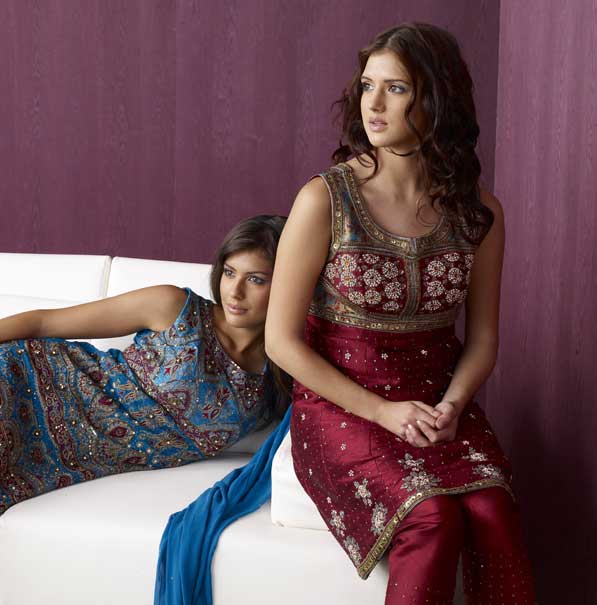
It still is considered vital by a certain section and can’t be hailed as the only way of adapting to the Indo-western trends in Salwar Kameez. Sleeveless tunics, strap and spaghetti sleeved tunics worn over traditional Indian Pajamas and carried with a dupatta have been around for a decade now and are still in vogue, only that now they are worn over slacks or what most people call 'legging', which Wikipedia defines as "fitted, long tapering garments to cover the legs".

Indian Standards once considered these leggings immodest but thanks to the Western Salwar Kameez trends, they have become the most sought after piece of clothing in India. Everyone, from a teenage girl to a homemaker to a female corporate executive is considering leggings as a comfortable option to couple up with the kurta or the kurti.

Interestingly, though many of us are familiar with the Indian Salwar Kameez Trends, we are often found to be at a loss when it comes to differentiating between the two i.e. the kurta and the kurti. Well, the only difference is that the kurti is shorter and at present reaches just below the hip. And Yes! u guessed it right. It is another mark of indo western trends in salwar kameez.

salwar kameez
One could see the impact of western trend in salwar kameez with empire-neck tunics and tunics with a centre yoke, worn over pajamas or leggings, making a foray into the Indian Market and take it virtually by storm. This western trend in salwar kameez shouldn’t come as a surprise, after all the foreigners are known to have been enchanted with vibrant colors, for which Indians have a fetish, since ages. They have modified the Indian Clothing to suit themselves - they made a tunic, which was a mix of Lycra and cotton that gave the quintessential feminine look that every female aspires for.

The Indians picked up these western trends and combined it with their age old ones, thus giving rise to the indo-western trends in salwar kameez, which is here to stay for atleast two to three years, thanks to the flexibility it has provided the Indian Woman in terms of design, cut, color and fabric.

Indo-Western Trends in Salwar Kameez

Westernization is at its, zenith touching all aspects of the Indian way of life. So why should the humble Indian Salwar Kameez be left behind which is donned on by a majority of the females in India, from the mustard fields of Chandigarh to the desert region of Rajasthan. So, what is Indo-Western trends in Salwar Kameez ?

And if you thought this indo-western trend in salwar kameez won’t go down well with Indian women then look around you. The first mark of this indo-western trend in salwar kameez is the absence of the dupatta or the scarf, which is worn and carried differently by different women. If it has not totally disappeared, then it has lost considerable length in terms of meters. As per the Indian Salwar kameez trends of yester-years, the dupatta was an inescapable part of any salwar kameez ensemble.

salwar kameez
It still is considered vital by a certain section and can’t be hailed as the only way of adapting to the Indo-western trends in Salwar Kameez. Sleeveless tunics, strap and spaghetti sleeved tunics worn over traditional Indian Pajamas and carried with a dupatta have been around for a decade now and are still in vogue, only that now they are worn over slacks or what most people call 'legging', which Wikipedia defines as "fitted, long tapering garments to cover the legs".

Indian Standards once considered these leggings immodest but thanks to the Western Salwar Kameez trends, they have become the most sought after piece of clothing in India. Everyone, from a teenage girl to a homemaker to a female corporate executive is considering leggings as a comfortable option to couple up with the kurta or the kurti.

Interestingly, though many of us are familiar with the Indian Salwar Kameez Trends, we are often found to be at a loss when it comes to differentiating between the two i.e. the kurta and the kurti. Well, the only difference is that the kurti is shorter and at present reaches just below the hip. And Yes! u guessed it right. It is another mark of indo western trends in salwar kameez.

salwar kameez
One could see the impact of western trend in salwar kameez with empire-neck tunics and tunics with a centre yoke, worn over pajamas or leggings, making a foray into the Indian Market and take it virtually by storm. This western trend in salwar kameez shouldn’t come as a surprise, after all the foreigners are known to have been enchanted with vibrant colors, for which Indians have a fetish, since ages. They have modified the Indian Clothing to suit themselves - they made a tunic, which was a mix of Lycra and cotton that gave the quintessential feminine look that every female aspires for.

The Indians picked up these western trends and combined it with their age old ones, thus giving rise to the indo-western trends in salwar kameez, which is here to stay for atleast two to three years, thanks to the flexibility it has provided the Indian Woman in terms of design, cut, color and fabric.

Indo-Western Trends in Salwar Kameez

Westernization is at its, zenith touching all aspects of the Indian way of life. So why should the humble Indian Salwar Kameez be left behind which is donned on by a majority of the females in India, from the mustard fields of Chandigarh to the desert region of Rajasthan. So, what is Indo-Western trends in Salwar Kameez ?

And if you thought this indo-western trend in salwar kameez won’t go down well with Indian women then look around you. The first mark of this indo-western trend in salwar kameez is the absence of the dupatta or the scarf, which is worn and carried differently by different women. If it has not totally disappeared, then it has lost considerable length in terms of meters. As per the Indian Salwar kameez trends of yester-years, the dupatta was an inescapable part of any salwar kameez ensemble.

salwar kameez
It still is considered vital by a certain section and can’t be hailed as the only way of adapting to the Indo-western trends in Salwar Kameez. Sleeveless tunics, strap and spaghetti sleeved tunics worn over traditional Indian Pajamas and carried with a dupatta have been around for a decade now and are still in vogue, only that now they are worn over slacks or what most people call 'legging', which Wikipedia defines as "fitted, long tapering garments to cover the legs".

Indian Standards once considered these leggings immodest but thanks to the Western Salwar Kameez trends, they have become the most sought after piece of clothing in India. Everyone, from a teenage girl to a homemaker to a female corporate executive is considering leggings as a comfortable option to couple up with the kurta or the kurti.

Interestingly, though many of us are familiar with the Indian Salwar Kameez Trends, we are often found to be at a loss when it comes to differentiating between the two i.e. the kurta and the kurti. Well, the only difference is that the kurti is shorter and at present reaches just below the hip. And Yes! u guessed it right. It is another mark of indo western trends in salwar kameez.

salwar kameez
One could see the impact of western trend in salwar kameez with empire-neck tunics and tunics with a centre yoke, worn over pajamas or leggings, making a foray into the Indian Market and take it virtually by storm. This western trend in salwar kameez shouldn’t come as a surprise, after all the foreigners are known to have been enchanted with vibrant colors, for which Indians have a fetish, since ages. They have modified the Indian Clothing to suit themselves - they made a tunic, which was a mix of Lycra and cotton that gave the quintessential feminine look that every female aspires for.

The Indians picked up these western trends and combined it with their age old ones, thus giving rise to the indo-western trends in salwar kameez, which is here to stay for atleast two to three years, thanks to the flexibility it has provided the Indian Woman in terms of design, cut, color and fabric.

Indo-Western Trends in Salwar Kameez

Westernization is at its, zenith touching all aspects of the Indian way of life. So why should the humble Indian Salwar Kameez be left behind which is donned on by a majority of the females in India, from the mustard fields of Chandigarh to the desert region of Rajasthan. So, what is Indo-Western trends in Salwar Kameez ?

And if you thought this indo-western trend in salwar kameez won’t go down well with Indian women then look around you. The first mark of this indo-western trend in salwar kameez is the absence of the dupatta or the scarf, which is worn and carried differently by different women. If it has not totally disappeared, then it has lost considerable length in terms of meters. As per the Indian Salwar kameez trends of yester-years, the dupatta was an inescapable part of any salwar kameez ensemble.

salwar kameez
It still is considered vital by a certain section and can’t be hailed as the only way of adapting to the Indo-western trends in Salwar Kameez. Sleeveless tunics, strap and spaghetti sleeved tunics worn over traditional Indian Pajamas and carried with a dupatta have been around for a decade now and are still in vogue, only that now they are worn over slacks or what most people call 'legging', which Wikipedia defines as "fitted, long tapering garments to cover the legs".

Indian Standards once considered these leggings immodest but thanks to the Western Salwar Kameez trends, they have become the most sought after piece of clothing in India. Everyone, from a teenage girl to a homemaker to a female corporate executive is considering leggings as a comfortable option to couple up with the kurta or the kurti.

Interestingly, though many of us are familiar with the Indian Salwar Kameez Trends, we are often found to be at a loss when it comes to differentiating between the two i.e. the kurta and the kurti. Well, the only difference is that the kurti is shorter and at present reaches just below the hip. And Yes! u guessed it right. It is another mark of indo western trends in salwar kameez.

salwar kameez
One could see the impact of western trend in salwar kameez with empire-neck tunics and tunics with a centre yoke, worn over pajamas or leggings, making a foray into the Indian Market and take it virtually by storm. This western trend in salwar kameez shouldn’t come as a surprise, after all the foreigners are known to have been enchanted with vibrant colors, for which Indians have a fetish, since ages. They have modified the Indian Clothing to suit themselves - they made a tunic, which was a mix of Lycra and cotton that gave the quintessential feminine look that every female aspires for.

The Indians picked up these western trends and combined it with their age old ones, thus giving rise to the indo-western trends in salwar kameez, which is here to stay for atleast two to three years, thanks to the flexibility it has provided the Indian Woman in terms of design, cut, color and fabric.

Indo-Western Trends in Salwar Kameez

Westernization is at its, zenith touching all aspects of the Indian way of life. So why should the humble Indian Salwar Kameez be left behind which is donned on by a majority of the females in India, from the mustard fields of Chandigarh to the desert region of Rajasthan. So, what is Indo-Western trends in Salwar Kameez ?

And if you thought this indo-western trend in salwar kameez won’t go down well with Indian women then look around you. The first mark of this indo-western trend in salwar kameez is the absence of the dupatta or the scarf, which is worn and carried differently by different women. If it has not totally disappeared, then it has lost considerable length in terms of meters. As per the Indian Salwar kameez trends of yester-years, the dupatta was an inescapable part of any salwar kameez ensemble.

salwar kameez
It still is considered vital by a certain section and can’t be hailed as the only way of adapting to the Indo-western trends in Salwar Kameez. Sleeveless tunics, strap and spaghetti sleeved tunics worn over traditional Indian Pajamas and carried with a dupatta have been around for a decade now and are still in vogue, only that now they are worn over slacks or what most people call 'legging', which Wikipedia defines as "fitted, long tapering garments to cover the legs".

Indian Standards once considered these leggings immodest but thanks to the Western Salwar Kameez trends, they have become the most sought after piece of clothing in India. Everyone, from a teenage girl to a homemaker to a female corporate executive is considering leggings as a comfortable option to couple up with the kurta or the kurti.

Interestingly, though many of us are familiar with the Indian Salwar Kameez Trends, we are often found to be at a loss when it comes to differentiating between the two i.e. the kurta and the kurti. Well, the only difference is that the kurti is shorter and at present reaches just below the hip. And Yes! u guessed it right. It is another mark of indo western trends in salwar kameez.

salwar kameez
One could see the impact of western trend in salwar kameez with empire-neck tunics and tunics with a centre yoke, worn over pajamas or leggings, making a foray into the Indian Market and take it virtually by storm. This western trend in salwar kameez shouldn’t come as a surprise, after all the foreigners are known to have been enchanted with vibrant colors, for which Indians have a fetish, since ages. They have modified the Indian Clothing to suit themselves - they made a tunic, which was a mix of Lycra and cotton that gave the quintessential feminine look that every female aspires for.

The Indians picked up these western trends and combined it with their age old ones, thus giving rise to the indo-western trends in salwar kameez, which is here to stay for atleast two to three years, thanks to the flexibility it has provided the Indian Woman in terms of design, cut, color and fabric.

Indo-Western Trends in Salwar Kameez

Westernization is at its, zenith touching all aspects of the Indian way of life. So why should the humble Indian Salwar Kameez be left behind which is donned on by a majority of the females in India, from the mustard fields of Chandigarh to the desert region of Rajasthan. So, what is Indo-Western trends in Salwar Kameez ?

And if you thought this indo-western trend in salwar kameez won’t go down well with Indian women then look around you. The first mark of this indo-western trend in salwar kameez is the absence of the dupatta or the scarf, which is worn and carried differently by different women. If it has not totally disappeared, then it has lost considerable length in terms of meters. As per the Indian Salwar kameez trends of yester-years, the dupatta was an inescapable part of any salwar kameez ensemble.

salwar kameez
It still is considered vital by a certain section and can’t be hailed as the only way of adapting to the Indo-western trends in Salwar Kameez. Sleeveless tunics, strap and spaghetti sleeved tunics worn over traditional Indian Pajamas and carried with a dupatta have been around for a decade now and are still in vogue, only that now they are worn over slacks or what most people call 'legging', which Wikipedia defines as "fitted, long tapering garments to cover the legs".

Indian Standards once considered these leggings immodest but thanks to the Western Salwar Kameez trends, they have become the most sought after piece of clothing in India. Everyone, from a teenage girl to a homemaker to a female corporate executive is considering leggings as a comfortable option to couple up with the kurta or the kurti.

Interestingly, though many of us are familiar with the Indian Salwar Kameez Trends, we are often found to be at a loss when it comes to differentiating between the two i.e. the kurta and the kurti. Well, the only difference is that the kurti is shorter and at present reaches just below the hip. And Yes! u guessed it right. It is another mark of indo western trends in salwar kameez.

salwar kameez
One could see the impact of western trend in salwar kameez with empire-neck tunics and tunics with a centre yoke, worn over pajamas or leggings, making a foray into the Indian Market and take it virtually by storm. This western trend in salwar kameez shouldn’t come as a surprise, after all the foreigners are known to have been enchanted with vibrant colors, for which Indians have a fetish, since ages. They have modified the Indian Clothing to suit themselves - they made a tunic, which was a mix of Lycra and cotton that gave the quintessential feminine look that every female aspires for.

The Indians picked up these western trends and combined it with their age old ones, thus giving rise to the indo-western trends in salwar kameez, which is here to stay for atleast two to three years, thanks to the flexibility it has provided the Indian Woman in terms of design, cut, color and fabric.

Indo-Western Trends in Salwar Kameez

Westernization is at its, zenith touching all aspects of the Indian way of life. So why should the humble Indian Salwar Kameez be left behind which is donned on by a majority of the females in India, from the mustard fields of Chandigarh to the desert region of Rajasthan. So, what is Indo-Western trends in Salwar Kameez ?

And if you thought this indo-western trend in salwar kameez won’t go down well with Indian women then look around you. The first mark of this indo-western trend in salwar kameez is the absence of the dupatta or the scarf, which is worn and carried differently by different women. If it has not totally disappeared, then it has lost considerable length in terms of meters. As per the Indian Salwar kameez trends of yester-years, the dupatta was an inescapable part of any salwar kameez ensemble.

salwar kameez
It still is considered vital by a certain section and can’t be hailed as the only way of adapting to the Indo-western trends in Salwar Kameez. Sleeveless tunics, strap and spaghetti sleeved tunics worn over traditional Indian Pajamas and carried with a dupatta have been around for a decade now and are still in vogue, only that now they are worn over slacks or what most people call 'legging', which Wikipedia defines as "fitted, long tapering garments to cover the legs".

Indian Standards once considered these leggings immodest but thanks to the Western Salwar Kameez trends, they have become the most sought after piece of clothing in India. Everyone, from a teenage girl to a homemaker to a female corporate executive is considering leggings as a comfortable option to couple up with the kurta or the kurti.

Interestingly, though many of us are familiar with the Indian Salwar Kameez Trends, we are often found to be at a loss when it comes to differentiating between the two i.e. the kurta and the kurti. Well, the only difference is that the kurti is shorter and at present reaches just below the hip. And Yes! u guessed it right. It is another mark of indo western trends in salwar kameez.

salwar kameez
One could see the impact of western trend in salwar kameez with empire-neck tunics and tunics with a centre yoke, worn over pajamas or leggings, making a foray into the Indian Market and take it virtually by storm. This western trend in salwar kameez shouldn’t come as a surprise, after all the foreigners are known to have been enchanted with vibrant colors, for which Indians have a fetish, since ages. They have modified the Indian Clothing to suit themselves - they made a tunic, which was a mix of Lycra and cotton that gave the quintessential feminine look that every female aspires for.

The Indians picked up these western trends and combined it with their age old ones, thus giving rise to the indo-western trends in salwar kameez, which is here to stay for atleast two to three years, thanks to the flexibility it has provided the Indian Woman in terms of design, cut, color and fabric.